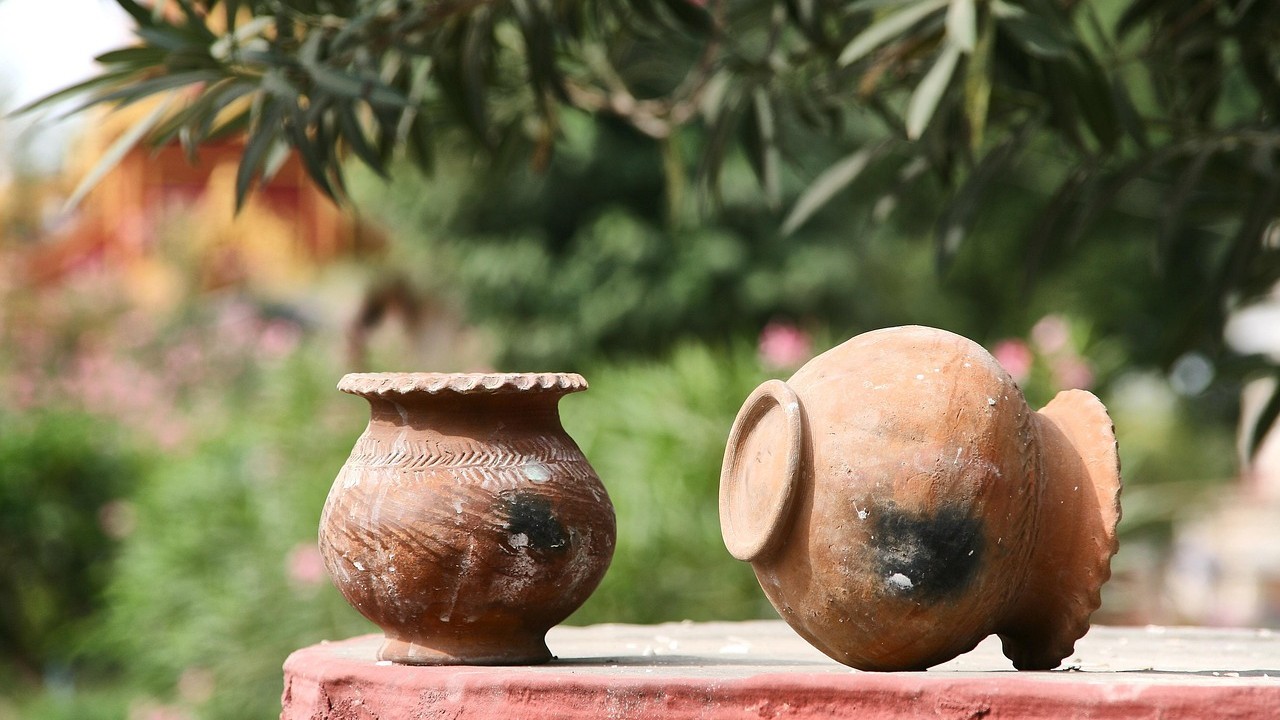

There's a story about an art teacher who divides a class into two groups. The first group is given one task. Design a single, perfect pot. The second group has a different instruction entirely. Make as many pots as you can before time is up.
The first group measures, plans, and deliberates. They sketch ratios, debate proportions, and handle the clay with care. They have one shot, so they treat it like one.
The second group just makes pots. Terrible ones. pots that collapse on themselves, crack at the base, and lean sideways. They don't stop to mourn any of them, they just start the next.
When time expires, the results are revealed. The first group has a pot... technically. But it wobbles. Before the session is over, it breaks. The second group's first pot is a disaster. But their second is better. Their third, better still. By the time they've burned through a dozen attempts, they've internalized something the first group never had the chance to learn. What doesn't work. Their final pot is flawless
The second group won not because they were more talented, but because they were given the opportunity to experiment and gain experience.
When it comes to writing, it's tempting to believe you need the entire story mapped out before you begin. That you need to fully understand the premise, complete the research, and know the ending before the first sentence. That's never been true for me. When I start writing, I often don't know what it's going to be until the words appear on the page. The research doesn't precede the writing. It follows it.
I remember watching the Pixar documentary about Finding Nemo. They produced hundreds of story sketches and character drawings that never made it into the film. The director admitted that a lot of those ideas were pretty terrible. But without those sketches, they wouldn't have arrived at the final story. They learned from the volume of attempts. And we got to watch the final high quality result.
I've been following what I call the 100-times rule. For any new skill, or anything new really, I give myself permission to do it 100 times before judging the results. The goal is simple. I want to narrow the gap between idea and execution.
When I was learning to program, I'd open a blank JavaScript file and just start writing. Half the time, I'd finish a session with something unrelated to what I started. A half-baked startup idea buried in the comments, or a function that suggested an entirely new project. The work generated the ideas, not the other way around.
When I decided to write regularly, I had about a dozen ideas ready to go. I dreaded the moment I'd exhaust them. But by the time I published the twelfth post, I had several dozen more. They didn't come from some secret source of inspiration. They came from momentum. Writing regularly has trained my mind to notice things worth writing down. Conversations, observations, small frustrations, fleeting questions. The ideas were always there. I just hadn't built the habit of catching them.
This is the part most people get backwards. They wait for a great idea before they begin. But great ideas are rarely the starting point. They're the result of effort. You don't think your way to good work. You train yourself to good thinking by using repetition.
When I have an idea now, I don't wait for the right moment. I write it down immediately in my phone, in a note, sometimes directly on my blog before I fully understand it. Publishing something unpolished is uncomfortable. But an unpolished idea that's out in the world can be refined, responded to, and built upon. A perfect idea that lives only in your head cannot. In fact, I've forgotten so many great ideas!
Since the beginning of last year, I've written at least 230 articles. When I run low on new ideas, I have hundreds of old posts I can return to, deepen, and remake into something more considered. The volume created the options.
If there is any secret to coming up with great ideas it's this: Start before you're ready.
The first group in that classroom failed not because they were less capable, but because they optimized for perfection at the expense of experience. Every moment they spent planning was a moment they weren't learning what the clay actually does in your hands.
If you're waiting for the perfect idea, the right time, or enough certainty before you begin then you are the first group. You have one pot and you're protecting it.
Make more pots.



Join the Conversation