
What does it mean when we say that investors are subsidizing the price of a service? We often hear that ChatGPT is not profitable, despite some users paying $20 a month, or others up to $200 a month. The business is still losing money despite everything we're paying. To stay afloat, OpenAI and other AI companies have to use money from their investors to cover operations until they find a way to generate sustainable income.
Will these AI companies capture enough market share and attract enough paying customers to become profitable? Will they find the right formula or cheap enough hardware to be sustainable?
Lucky for us, we have the benefit of hindsight. Not for AI companies, but for an adjacent company that relied entirely on investor funds to capture market share and survive: Uber.
Uber is now a publicly traded company on the NASDAQ. They first became profitable in 2023, with a net income of $1.89 billion. In 2024, they generated $9.86 billion in profit. If you're wondering what their numbers looked like in 2022, it was a net loss of $9.14 billion.
When they were losing money, that was investor money. They were doing everything in their power to crush the competition and remain the only player in town. Once they captured enough market share, they pulled a switcheroo. Their prices went from extremely affordable to just being another taxi company.
My $3 Ride
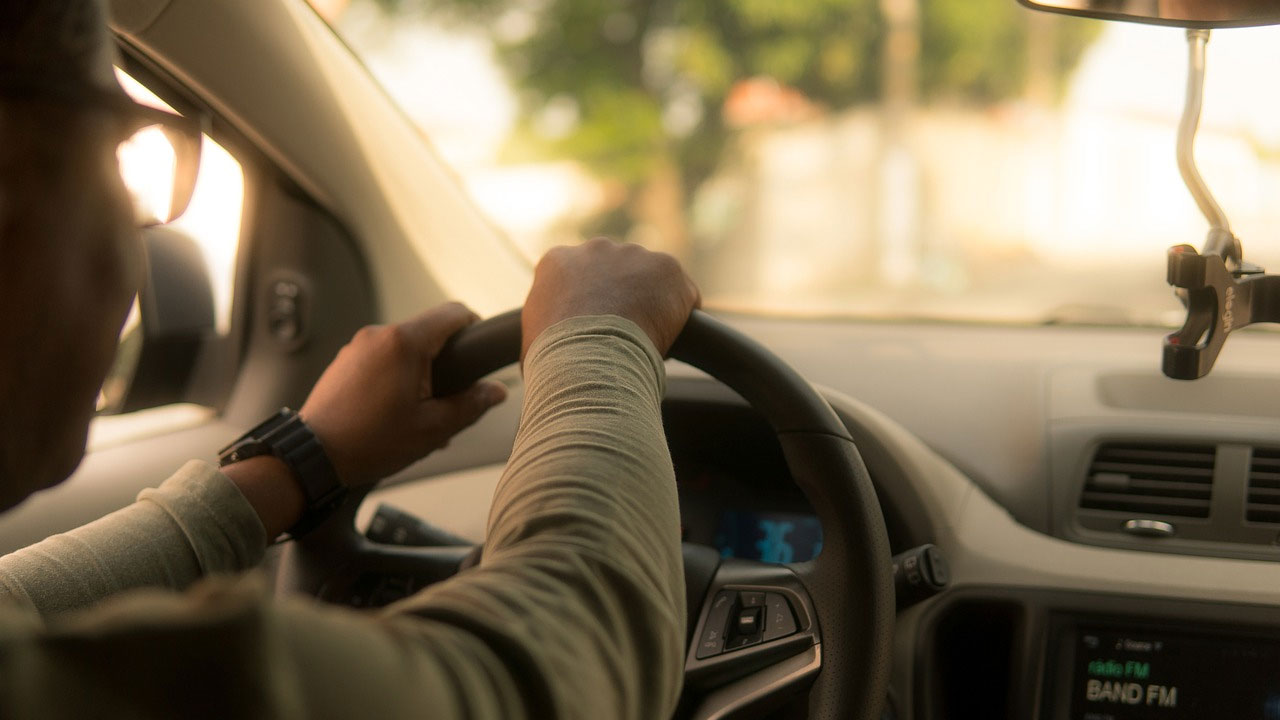
I took my first Uber ride in 2016. I had car troubles, and taking the bus to work would have turned a 20-minute drive into three bus rides and an hour and 20 minutes of commuting. Instead, I downloaded Uber. Within minutes, my ride was outside waiting for me.
I walked to the passenger side up front and opened the door, only to find a contraption I wasn't familiar with. The driver politely asked me to sit in the back. He was paraplegic. On the ride, we had a good conversation until he dropped me off at work. A notification appeared on my phone with the price: $3.00. That's how much it cost for a 5-mile drive.
For reference, taking the bus would have cost $1.50 per ride. A day pass was $5.00 at the time. But with Uber, it was $3.00 and saved me a whole lot of time. I didn't even have to think about parking once I got to work. I didn't question it because, well, it was cheap and convenient.
Throughout my time at that job, I took these rides to work. When I opened the app one day and the price was suddenly $10, I didn't even flinch. I closed the app and opened Lyft as an alternative. At most, I would pay $6. If it was too expensive, I would just spend another 20 minutes at work and wait for the surge to end and prices would go back down.
This felt like a cheat code to life. At that point, I questioned whether it was even worth owning a car. Mind you, I live in Los Angeles, a city where you can't do much without a car and our transit system is nothing to brag about.
Nobody made money, but everybody got paid.
From time to time, I would wonder: if I'm paying those measly prices for transportation, how much is the driver making? Obviously, if Uber took its cut from the $3 ride, there wouldn't be much left for the driver. But my answer came from the drivers themselves. They loved Uber. Some of them said they could make up to $80,000 a year just driving. How many $3 rides does it take?
You see, there were bonuses and goals they could reach. If they completed 100 rides in a timespan, they would qualify for a bonus. Something like an extra $500. If they did 300 rides, they could double the bonus. The whole thing was gamified. In the end, Uber was happy, the driver was happy, and the rider was happy. It was the same for Lyft. There were incentives everywhere. Nobody made money, but everybody got paid.
This is what it looks like when investors subsidize the cost.
So what does it look like when they stop subsidizing the cost? Well, in 2022, I took those same rides. From my old apartment to that job. Instead of $3, it cost around $24. That's an 8x increase.
Ridesharing is the norm these days. People hardly take taxis anymore. The Ubers and Lyfts of the world have dominated the industry by making rides so cheap that they decimated the old guards. Now that they're the only players in town, they've jacked up the prices, and hardly anyone complains. We've already changed our habits. We've forgotten what the alternative looks like.
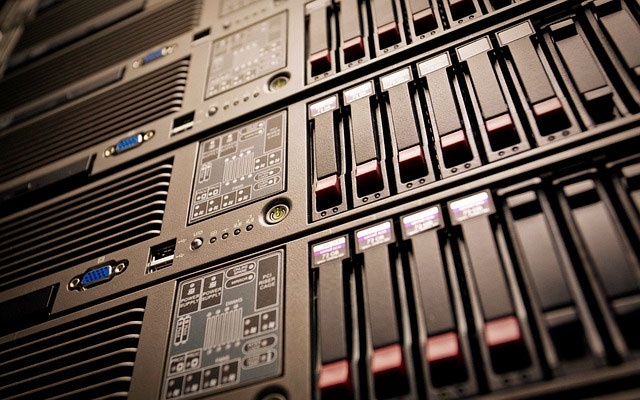
This should serve as a preview for subsidized technologies like AI. Right now, everyone is offering it for free or at unsustainable prices. Companies are in a race to capture users, train us to integrate AI into our workflows, and make us dependent on their platforms.
While I can see someone paying $20, $30, or even $60 for a rideshare in an emergency, I don't see average people paying $200 for a ChatGPT subscription. Even that is at a net loss. But that's exactly the point. Right now, it doesn't matter what we pay for these subscriptions. The goal for these companies is for AI to become essential to how we work, create, and think.
Once these companies capture enough market share and eliminate alternatives, they'll have the same leverage Uber gained. They'll start with a modest price increase, maybe $25 becomes $40. Then $60. Then tiered pricing for different levels of capability. Before long, what feels optional today will feel mandatory, and we'll pay whatever they ask because we'll have built our lives around it.
Imagine a future where completing a legal document requires access to agentic AI. Like you literally cannot do it unless you shell out a subscription to Gemini Ultra Pro Max Turbo.
The subsidy era never lasts forever. Right now, whenever I have no choice but to take Uber, I'm paying back the remaining $21 dollars from those rides I took eight years ago. Today, venture capitalists are paying for your AI queries just like they paid for my rides. But it's not a charity. Enjoy it while it lasts, but don't forget that someone, eventually, will have to pay the real price. And that someone will be us.


Join the Conversation