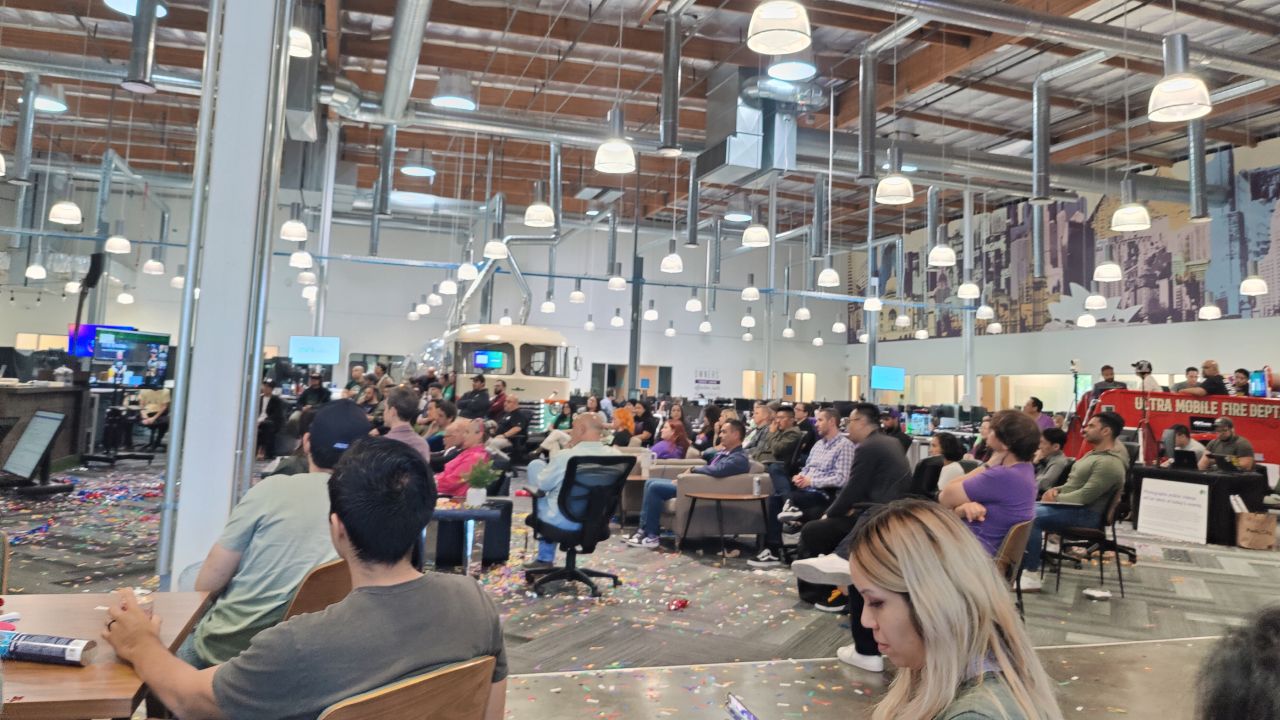

A few years back, I worked at an AI startup as the first hired engineer. All of us could fit in a four-space cubicle, sharing an office with multiple startups. As you can imagine, when you're trying to get a startup off the ground, you have to put in the hours. Every day I would drive to the beautiful city of Venice Beach, California, cram into our little space, and type as much code as I could fit in a day. Then I would pack the laptop back into my bag and drive right back home.
By the way, this was my personal laptop. The software engineer role is performed almost entirely on a laptop. A mobile device you can pack in your bag and travel anywhere with. In fact, when the second engineer was hired, we couldn't fit in our cubicle any longer. We suddenly realized we could disperse anywhere within the office. There was no reason for the proximity.
One day, I went to lunch with my new coworker. We bought food at a Mexican restaurant nearby, then walked to the beach. Right there, before the sand started, was a nice patch of grass where we sat, ate our food, and talked about work. All of a sudden, my coworker stopped. Mesmerized by the view, he said, "Wouldn't it be nice to work right here at the beach?"
There was no reason not to. We wore noise-cancelling headphones. We had internet access. We operated off a VPN. And the weather was nice. So my coworker and I decided that going forward, we would take our laptops with us, have lunch, and then work right there at the beach in the afternoon. It was a nice change of pace. We did it a few times, and it was great. But then the pandemic hit.
Whether it's at the beach, at home, or at a Starbucks, there is nothing in the software engineer role that requires working inside a designated building. You can work remotely. Your application probably runs on a cloud service, which is already remote from you. What difference does it make where you connect from?
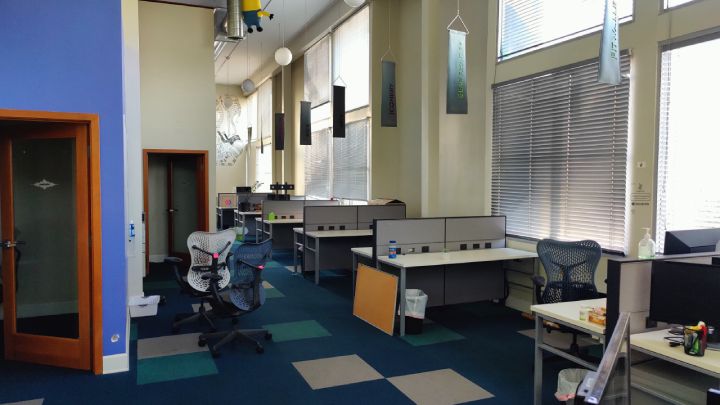
Many companies are now demanding a return to office. A company I used to work for made the creepiest video of them all, thinking they were actually being funny. (Sorry original video deleted)
Thinking about my old job, I would spend 30 minutes in the morning commuting to the office. In the evening, with traffic, I would spend an hour driving back. That's an hour and a half on top of the nine hours I spent at work every day. Not only could I have used that time, but my employer could have benefited from it too.
But as software engineers are being forced to return to the office, I have one question lingering: When we go home in the evening, do we leave the laptop in the office? If the home and the workplace are two distinct places and one shouldn't bleed into the other, should the laptop remain in the workplace? Does that mean not being on call anymore? Does that mean you can ignore the Slack messages after hours?
Every software engineering job provides employees with work laptops these days, never desktops. I believe as we embrace the return to office, maybe we should go back to desktops for software engineering roles. At least then we would have a guarantee that work only happens at work.
But we all know that won't happen. Companies want it both ways. The control and visibility of having employees in the office, and the flexibility to reach them anytime, anywhere. The laptop comes home every night because they need us available. The Slack messages don't stop at 5 PM. The on-call rotation doesn't pause because we're no longer at our desks.
If the work truly requires us to be in a specific building, then it should stay in that building. If it doesn't, and for most software engineering work it clearly doesn't, then why are we pretending it does?
That day at the beach, my coworker and I weren't shirking our responsibilities. We were doing the same work, just with sand beneath our feet instead of carpet. The code compiled the same. The bugs got fixed. The features shipped. What changed was only the scenery, and maybe, for a brief moment, our quality of life.
Returning to the office doesn't make us more productive, it doesn't even improve collaboration. It's a tool for control and culture. It's about maintaining systems that were designed for a different era of work. And until companies are honest about that, the laptop will keep coming home with us, a daily reminder of the contradiction we're all living with.



The video and the tweet in that news article is deleted, but I was able to find it on youtube
https://www.youtube.com/watch?v=NK8oDvY8Sbs
Thank you @Savio!
I'll update the article with the YouTube video. The worst part for me is that I know all these people in the video. As soon as it came out, some of my ex-coworkers asked me if my current company was hiring.
Join the Conversation