
I have a hard time listening to music while working. I know a lot of people do it, but whenever I need to focus on a problem, I have to hunt down the tab playing music and pause it. And yet I still wear my headphones. Not to listen to anything, but to signal to whoever is approaching my desk that I am working. It doesn't deter everyone, but it buys me the time I need to stay focused a little longer.
I don't mind having a conversation with coworkers. What I mind is the interruption itself, especially when I'm in the middle of a task. Sometimes I'm debugging an issue in a legacy application, building a mental model of the workflow, reading a comment that describes an exception, following a function declaration, right when I'm on the verge of the next clue, I hear a voice: "Hey! What's going on? I haven't seen you in a while. What have you been up to?"
The conversation is never long. But when it's over, my thoughts are gone. Where was I? Right, the function declaration. But where was it being called? What was that exception the comment described? Where did I even see that comment? I have to retrace every step just to rebuild the mental state I was in before I can move forward again.
Working remotely helps, to a point. Interruptions via Slack can be muted until I'm ready to respond. But remote work isn't immune. You're still expected to be in meetings. As a lead, I'm frequently pulled into calls because "everything is on fire." Often, my presence isn't to put out the fire, it's to hold someone's hand. An hour later, I can barely remember what I was working on.
The cost of interruption falls entirely on the person being interrupted. You lose your place, your focus, and eventually your ability to finish anything on time. For the person doing the interrupting, though, it's often a positive experience. The manager who constantly pulls the team into status updates feels productive. They're in the loop, they're present, they're on top of things. They schedule daily standups, attend every scrum ceremony, and expect developers to translate their work-in-progress into business-friendly language on demand.
Meanwhile, the developer is spending their day sitting in calls, reassuring, explaining, and planning, but never actually building anything. When they push back, the manager doesn't cancel the meetings. Instead, he trims them from 30 minutes to 15. It feels like progress. But the length of the meeting was never the problem. Three meetings a day means three interruptions, regardless of how short they are.
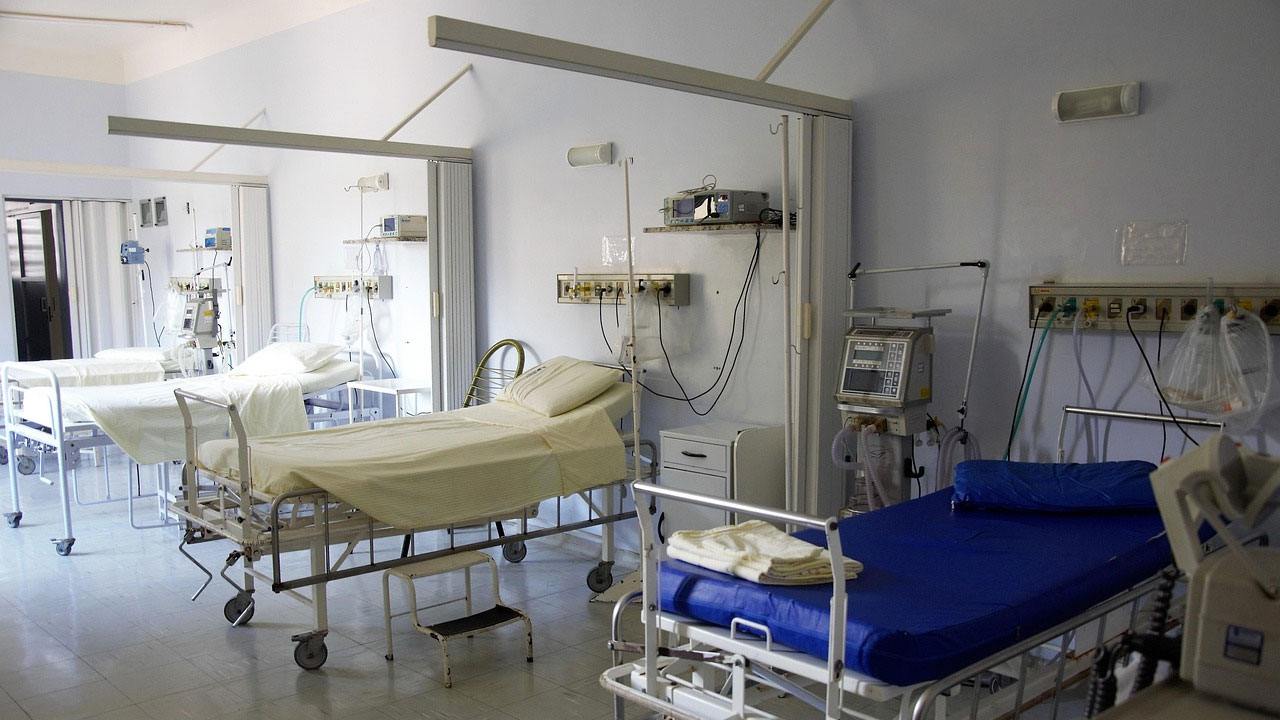
Being constantly interrupted at work reminds me of being in a hospital. Doctors prescribe rest, but hospitals are among the worst places to actually get any. Before our kids were born, my wife spent close to a month in the hospital. I had a small corner of the room, a chair and a desk, where I'd work on my laptop by her side. Every 20 minutes, the door would swing open, a nurse would bustle in and out, and the door would be left wide open behind her.
It didn't matter that the doctor had ordered rest. Her sleep was interrupted every single time.
That's what interruption-driven development looks like in practice. The work requires uninterrupted effort to actually happen. You can have the right tools, the right team, the right intentions, and still produce nothing. The work environment itself is working against you.
My headphones might keep those eager to converse at bay. But what we really need is time to get work done without the constant interruption. It should be part of the software development lifecycle.


Join the Conversation